
GONGYI XINQI POLYMER CO., LTD.
Cationic
Polyacrylamide
Positive-charge polymer.
Selected for the result your process needs.
Start with the polymer.
Finish with the evidence.
Cationic polyacrylamide (CPAM) is a water-soluble polymer with positively charged groups. It is evaluated for conditioning suspended matter and forming floc that can be separated by suitable equipment.
The product name is a starting point—not a complete specification. Match product form, charge profile and preparation to the actual application.
Samples, technical discussion and supply enquiries are handled by Gongyi Xinqi Polymer Co., Ltd.
PRODUCT ROUTES
What are you selecting?
Cationic Polyacrylamide Powder
Dry CPAM is a practical candidate when a plant has controlled powder feeding, sufficient maturation capacity and dependable solution transfer.
↗02Cationic Polyacrylamide Emulsion
Liquid handling can simplify product transfer, but an emulsion still needs correct activation and a chemistry that suits the separation duty.
↗03Cationic Polyacrylamide Charge Selection
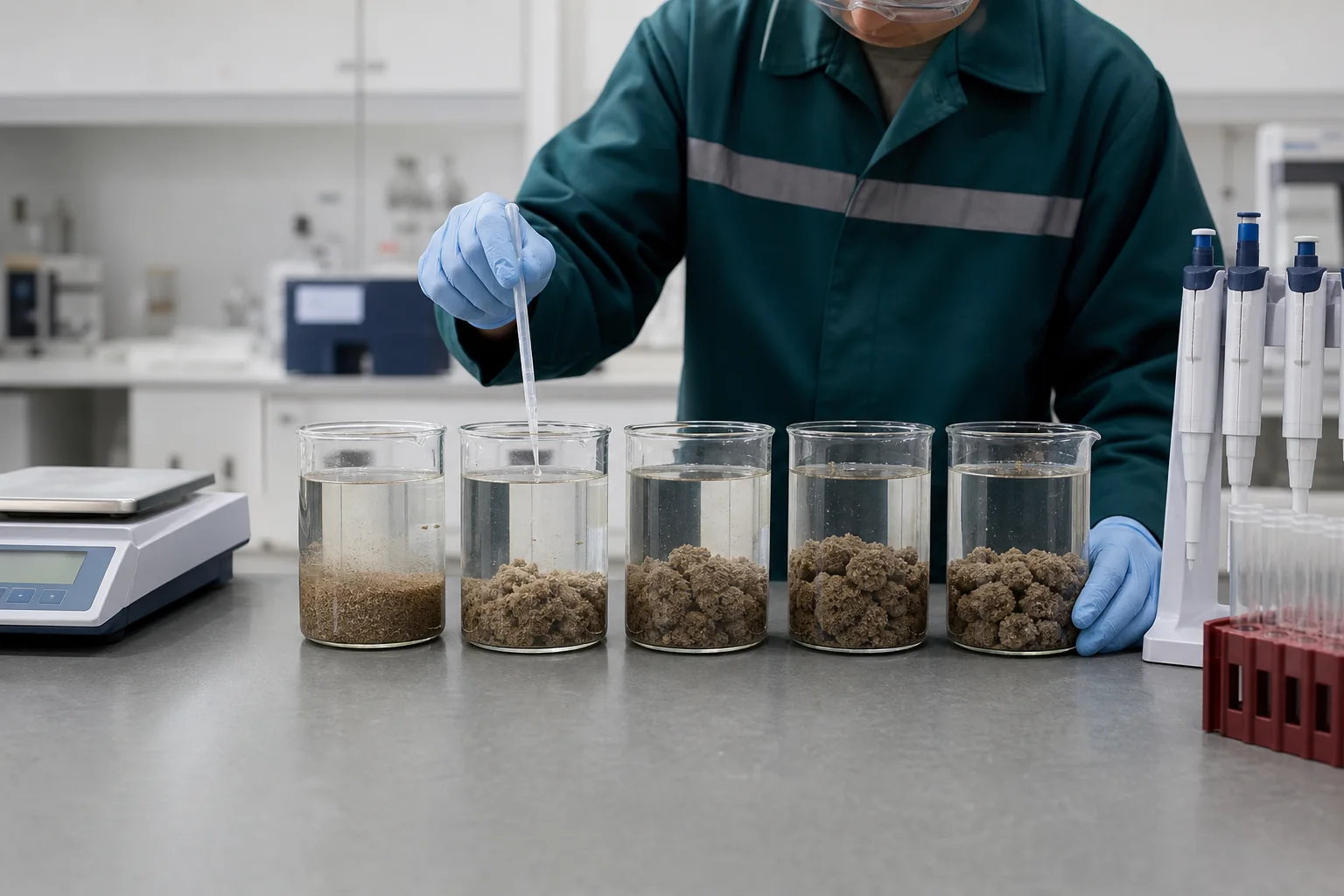
Treat charge density as a screening variable, not a ranking of product quality. The useful profile is the one with a repeatable operating range.
↗Cationic Polyacrylamide for Sludge Dewatering
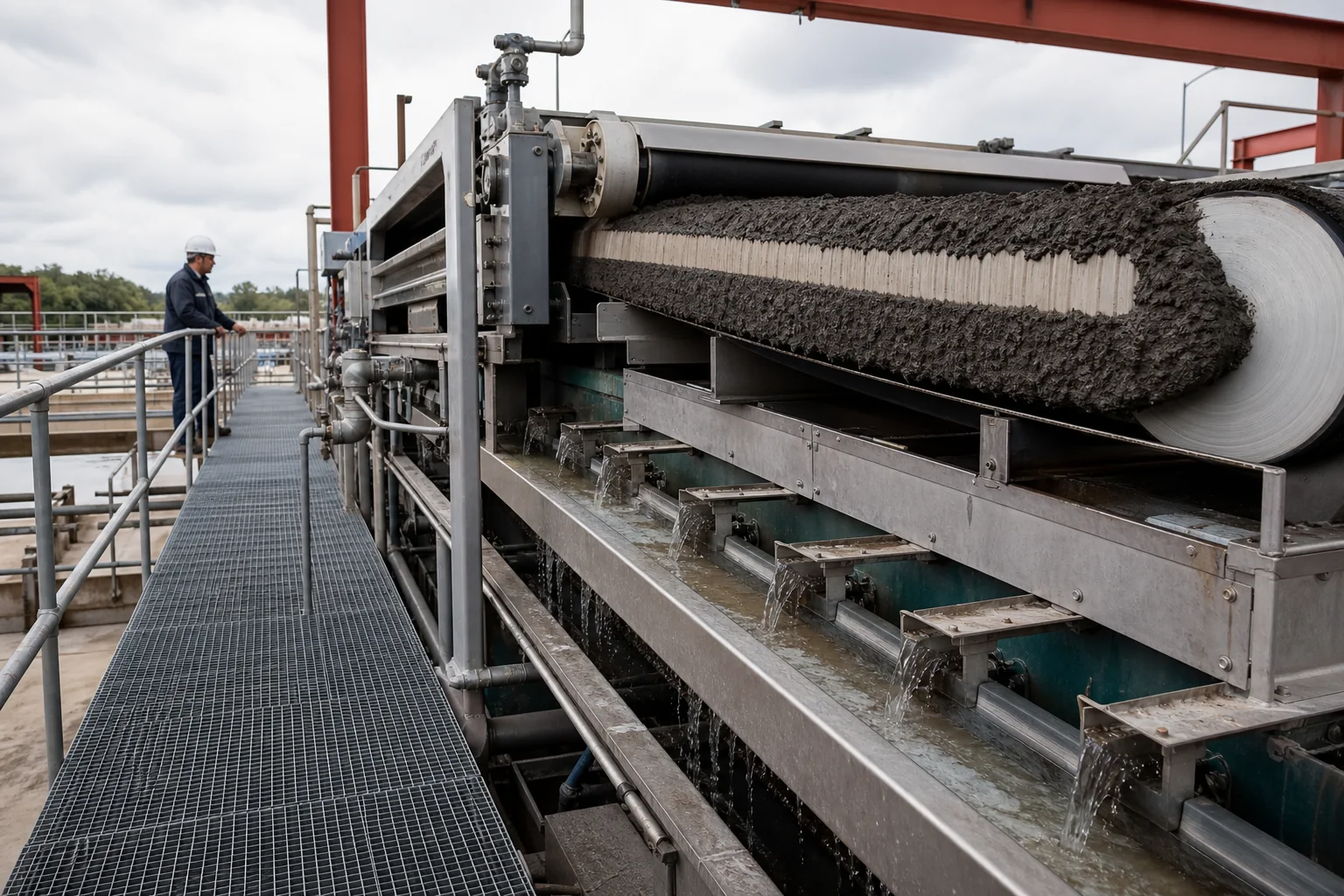
Qualify CPAM for sludge dewatering using feed dry solids, preparation, capture, cake solids, equipment loading and commercial consumption.
Explore ↗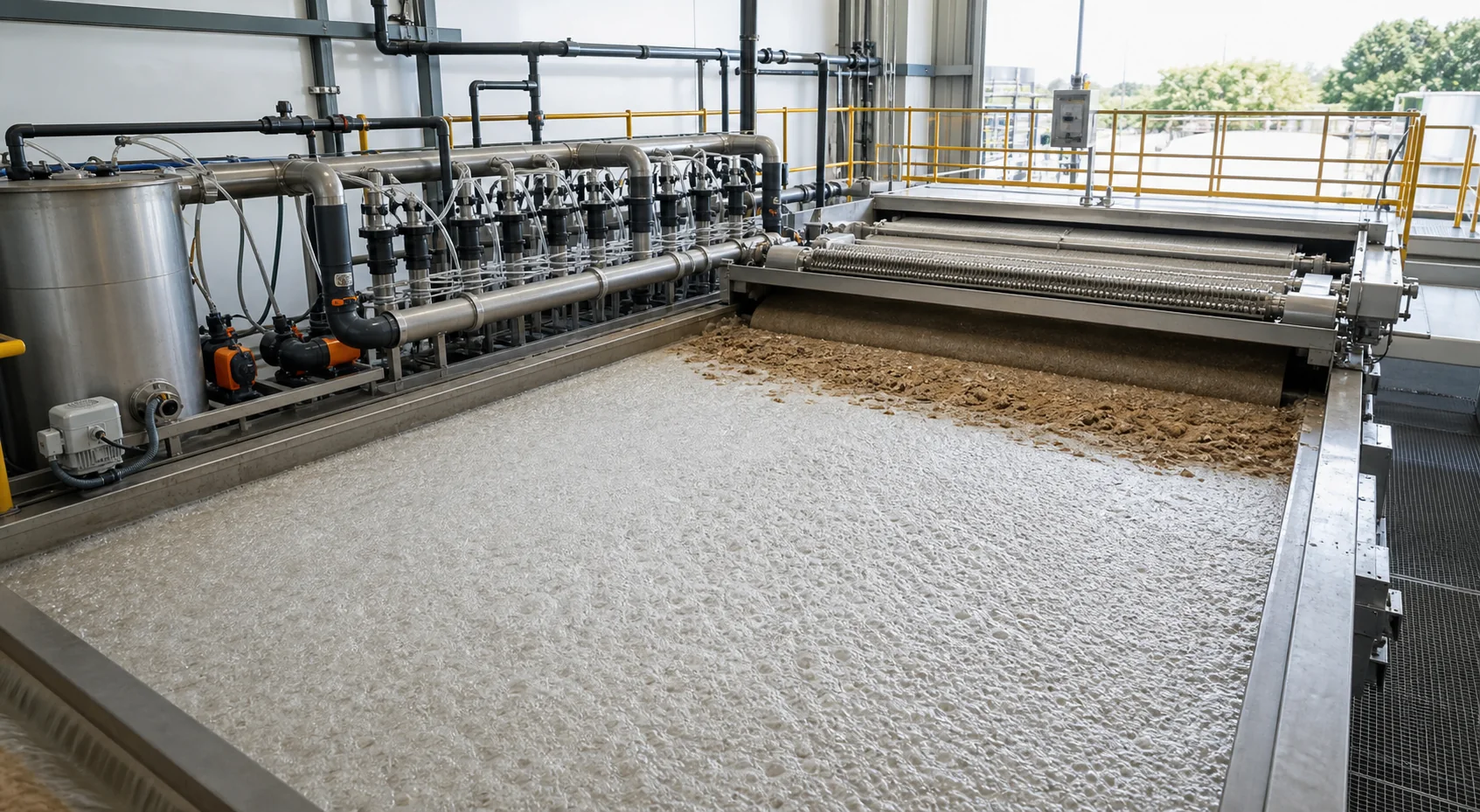
Cationic Polyacrylamide for DAF Treatment
Screen cationic polyacrylamide for dissolved air flotation with chemical controls, bubble contact, floated sludge and clarified-water tests.
Explore ↗Cationic Polyacrylamide for Paper Processes
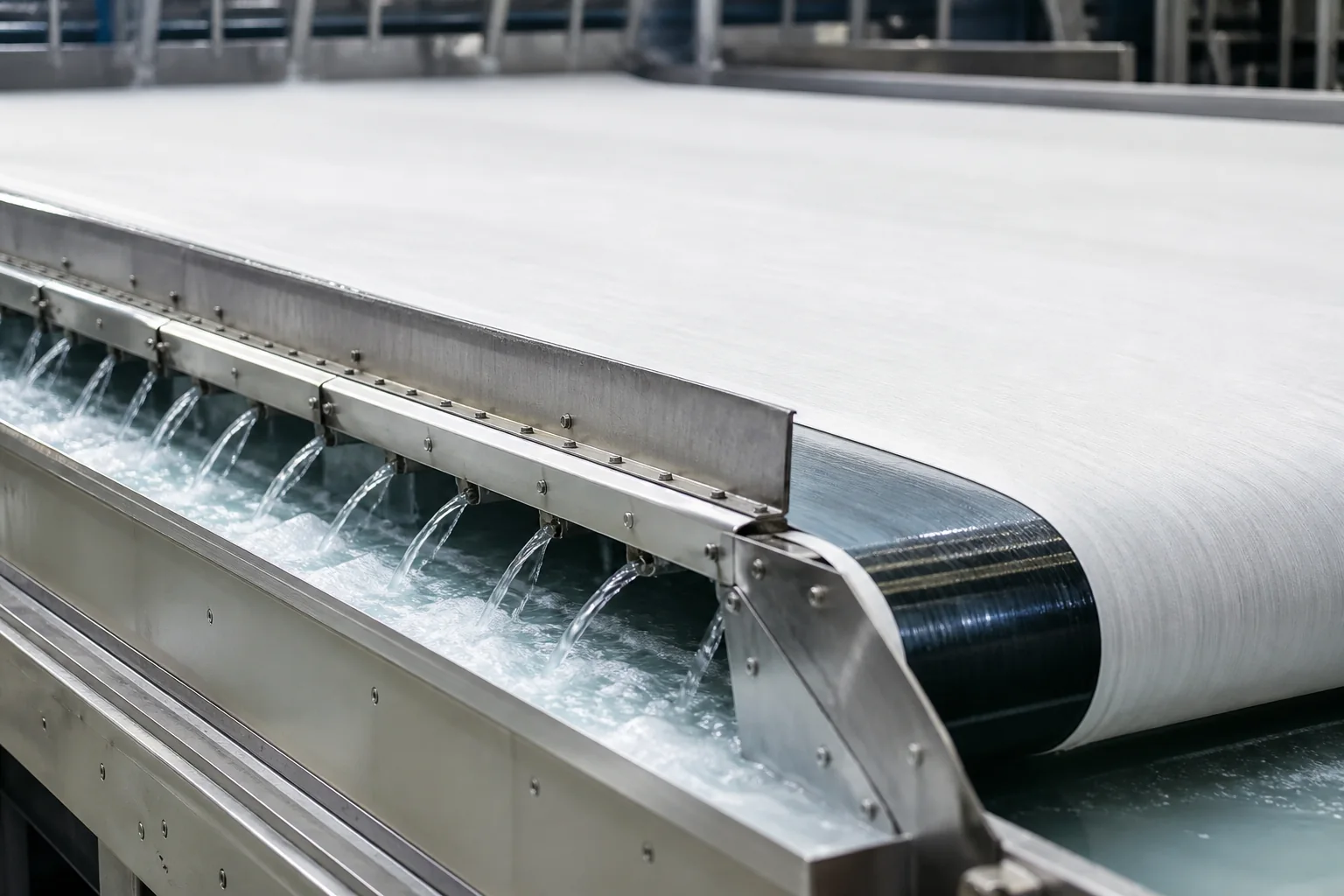
Evaluate CPAM for paper-process retention and drainage with furnish chemistry, addition sequence, shear, formation and product-specific approval.
Explore ↗A better purchase starts
with a better trial record.
Keep active dose, preparation, capture and the operating result together. Then compare supply terms.
Plan your purchase ↗Cationic Polyacrylamide Powder vs Emulsion
Compare CPAM powder and emulsion through active mass, preparation capacity, pump calibration and a controlled product-replacement trial.
↗02CPAM Charge Density for Digested Sludge
Select a CPAM charge range for digested sludge through representative sampling, controlled chemistry, dose curves and dewatering results.
↗03CPAM Dosage: Calculate kg per Dry Tonne
Calculate cationic polymer consumption per dry tonne from feed flow, solids and product mass, with active-content and solution-flow checks.
↗04Wet Sludge Cake: Check CPAM Before Raising Dose
Diagnose wet sludge cake by checking feed solids, prepared polymer, dosing delivery, capture and machine conditions before changing the grade.
↗05CPAM Solution Aging and Shift-to-Shift Consistency
Control prepared CPAM solution age, stock concentration, tank turnover and delivery to explain treatment changes between operating shifts.
↗06CPAM Supplier Checklist: From Sample to Shipment
Qualify a cationic polyacrylamide supplier with traceable samples, repeatable preparation, application acceptance and a documented shipment handover.
↗Request a focused sample set.
Include current treatment, target result, quantity and destination.
How enquiry details are used